The Killick Effect
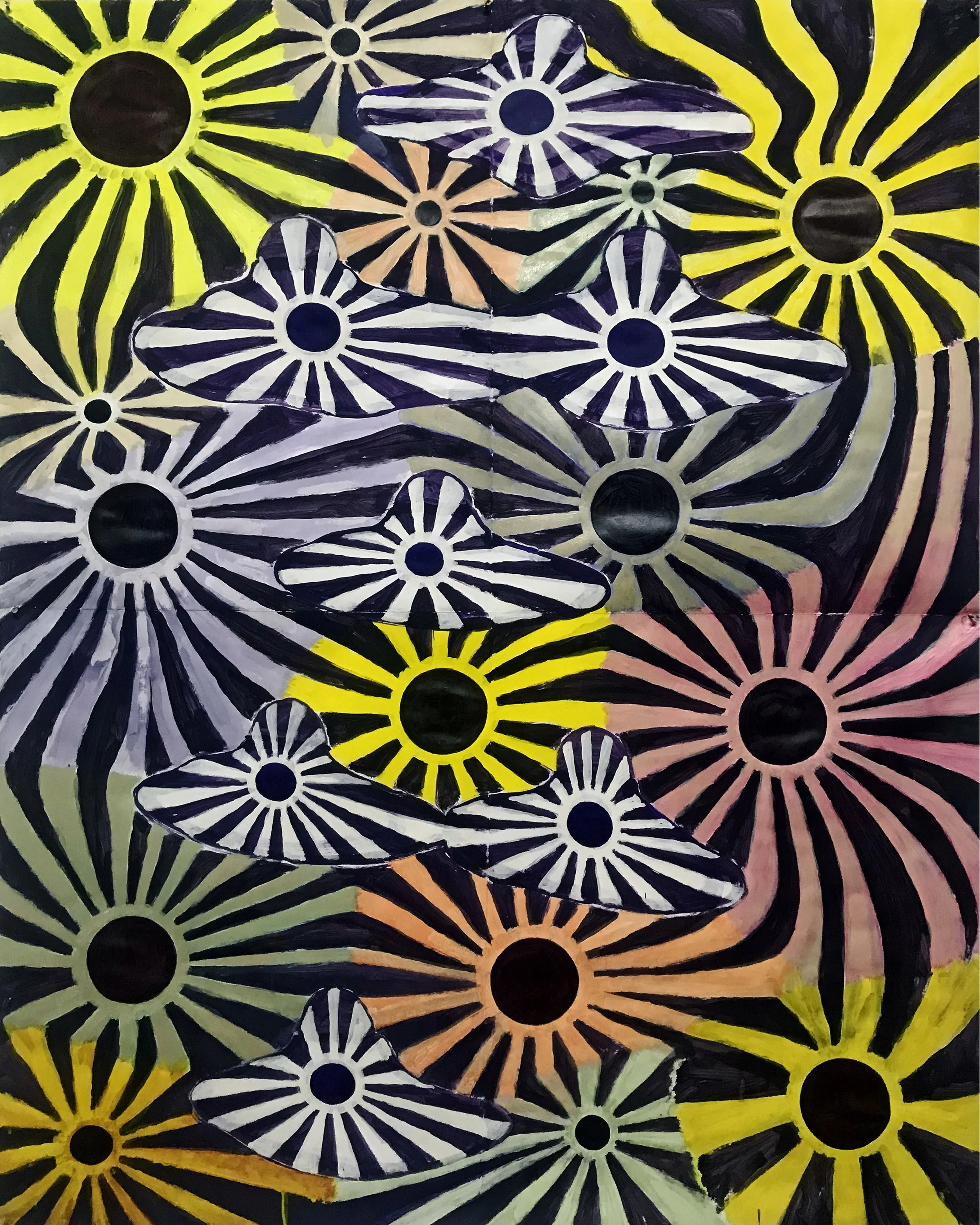
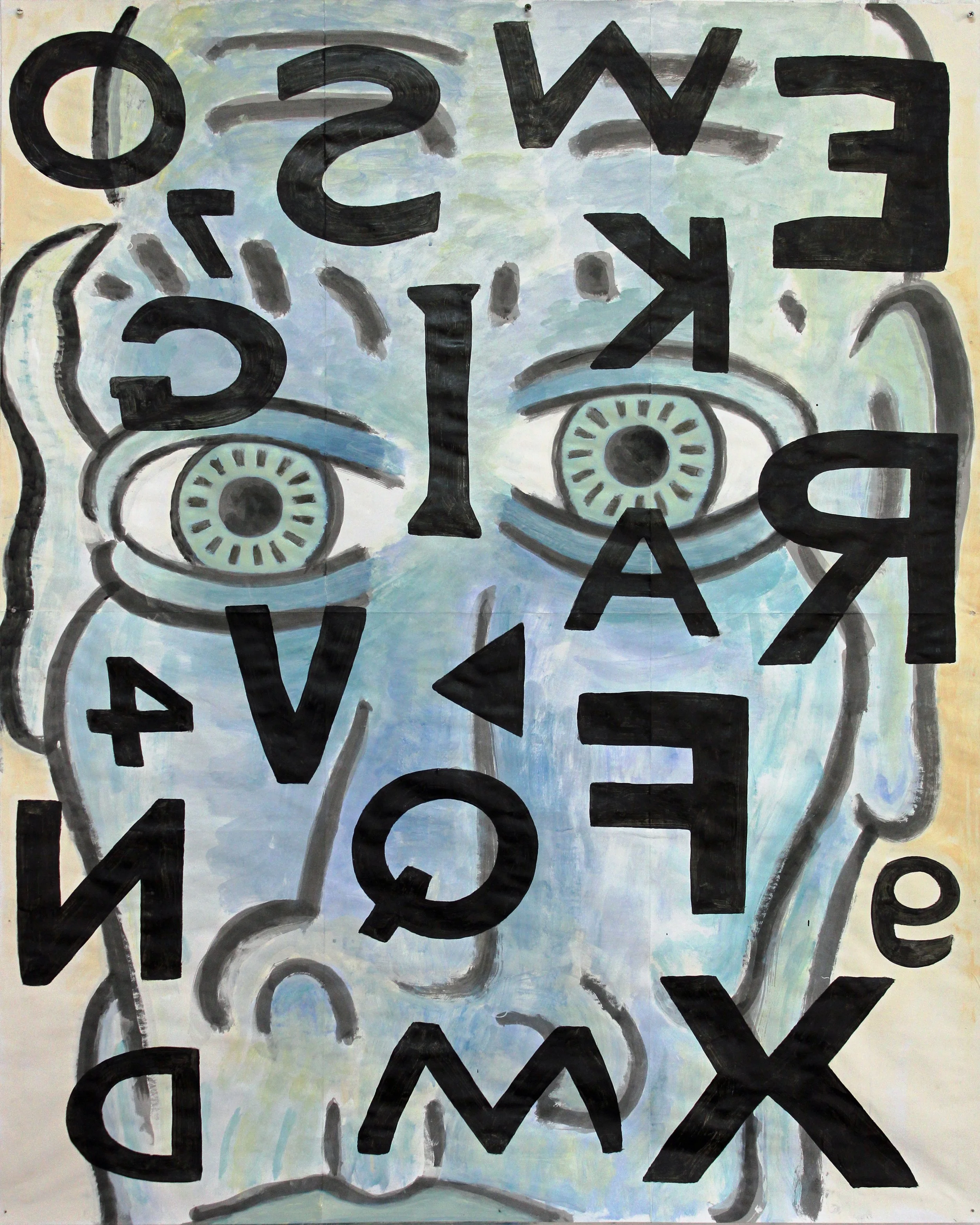
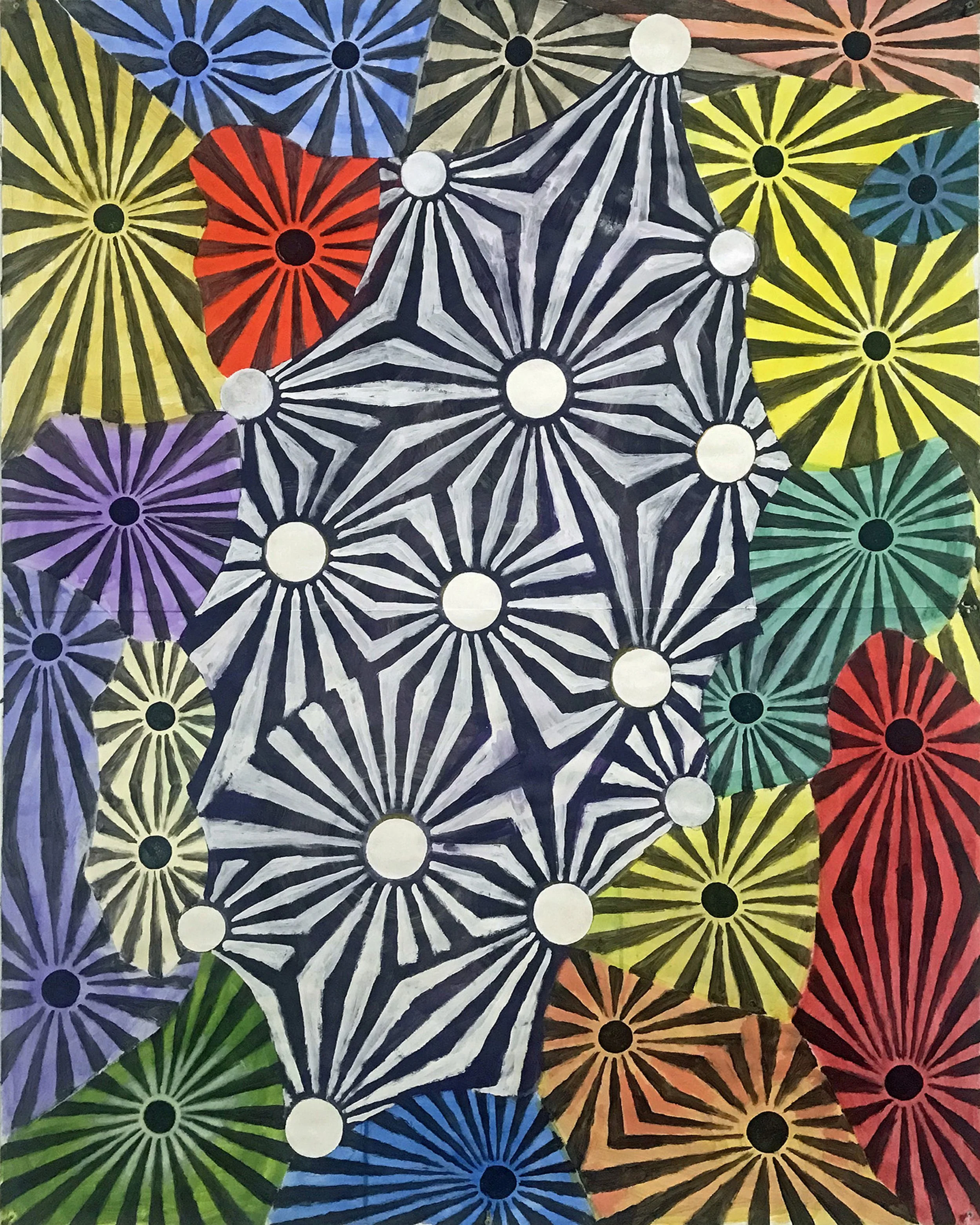
Stephen Killick, Drone Fireworks, acrylic on Fabriano paper, 150cm x 120cm.
In the best possible way, and only for the month of February 2026, Luminance Gallery has evolved into an extension of Stephen Killick’s mind and art. The phenomenon is known as the Killick Effect: a consequence of hosting Cartographies of the Absolute.
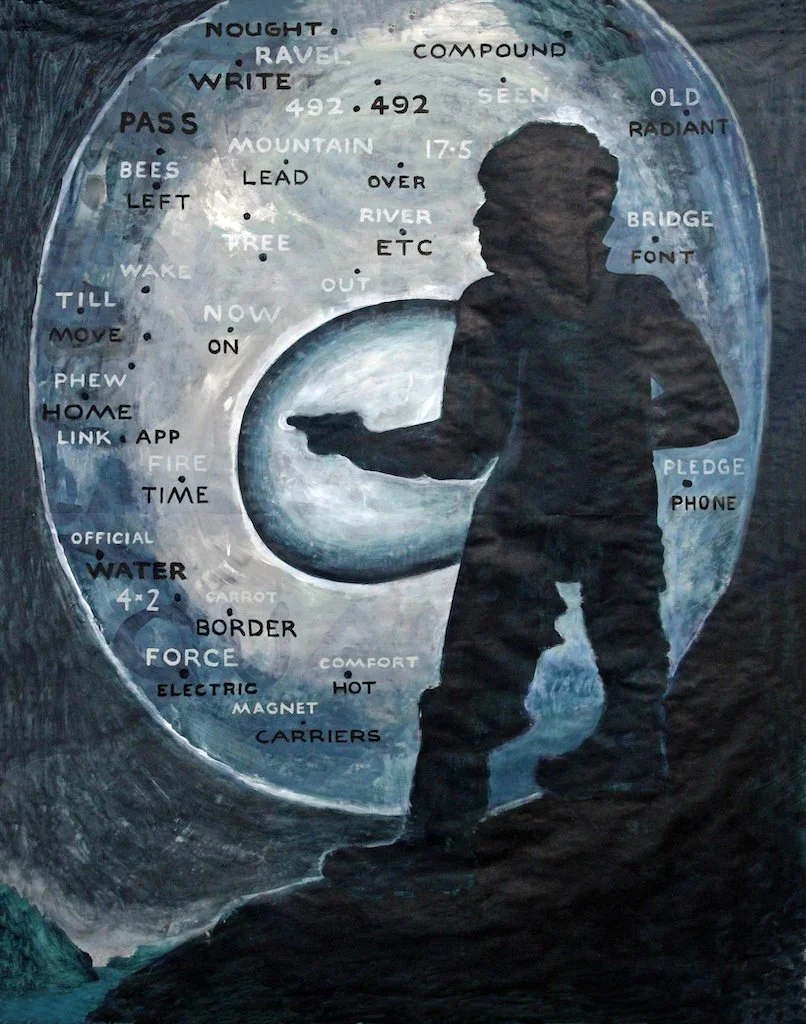
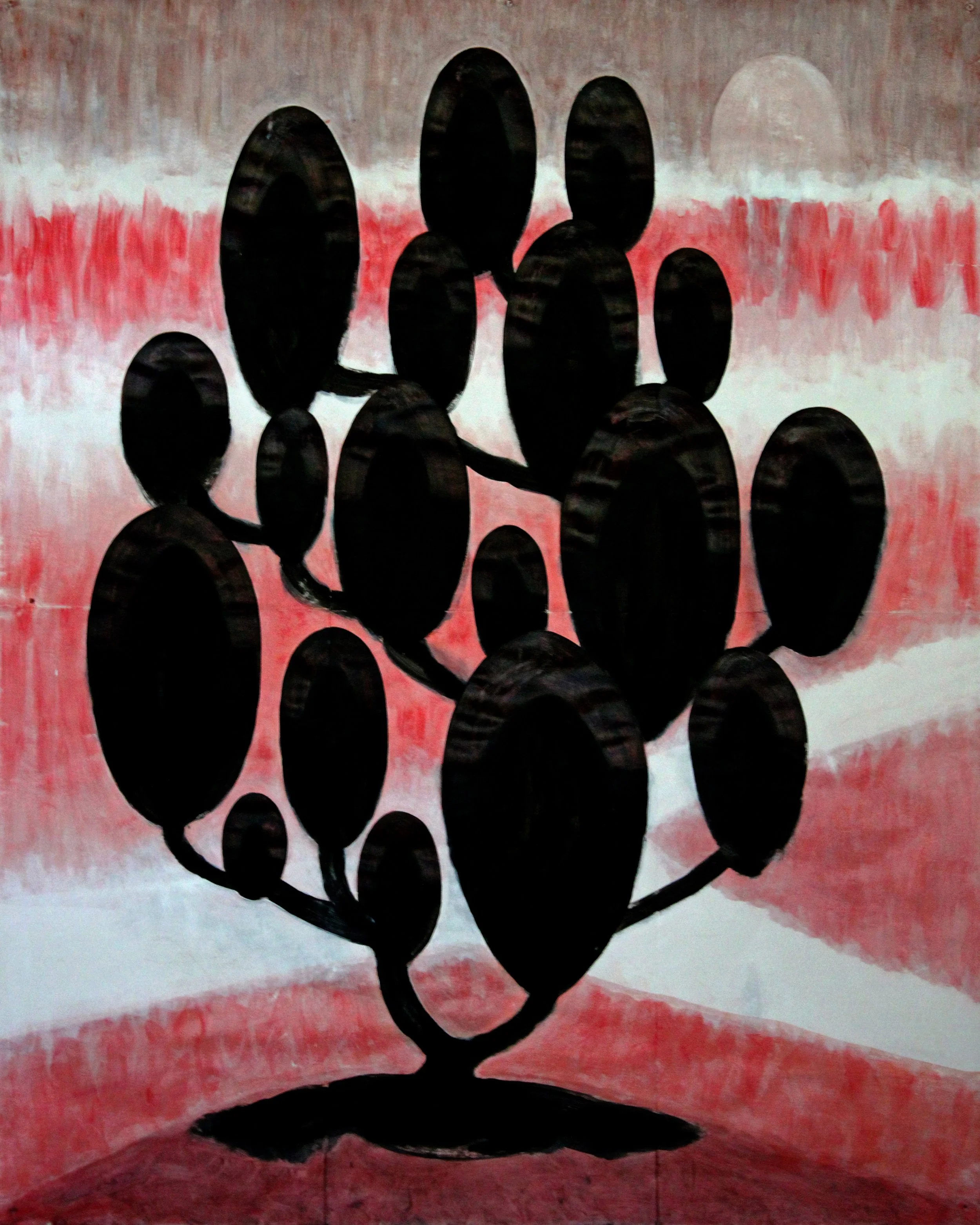
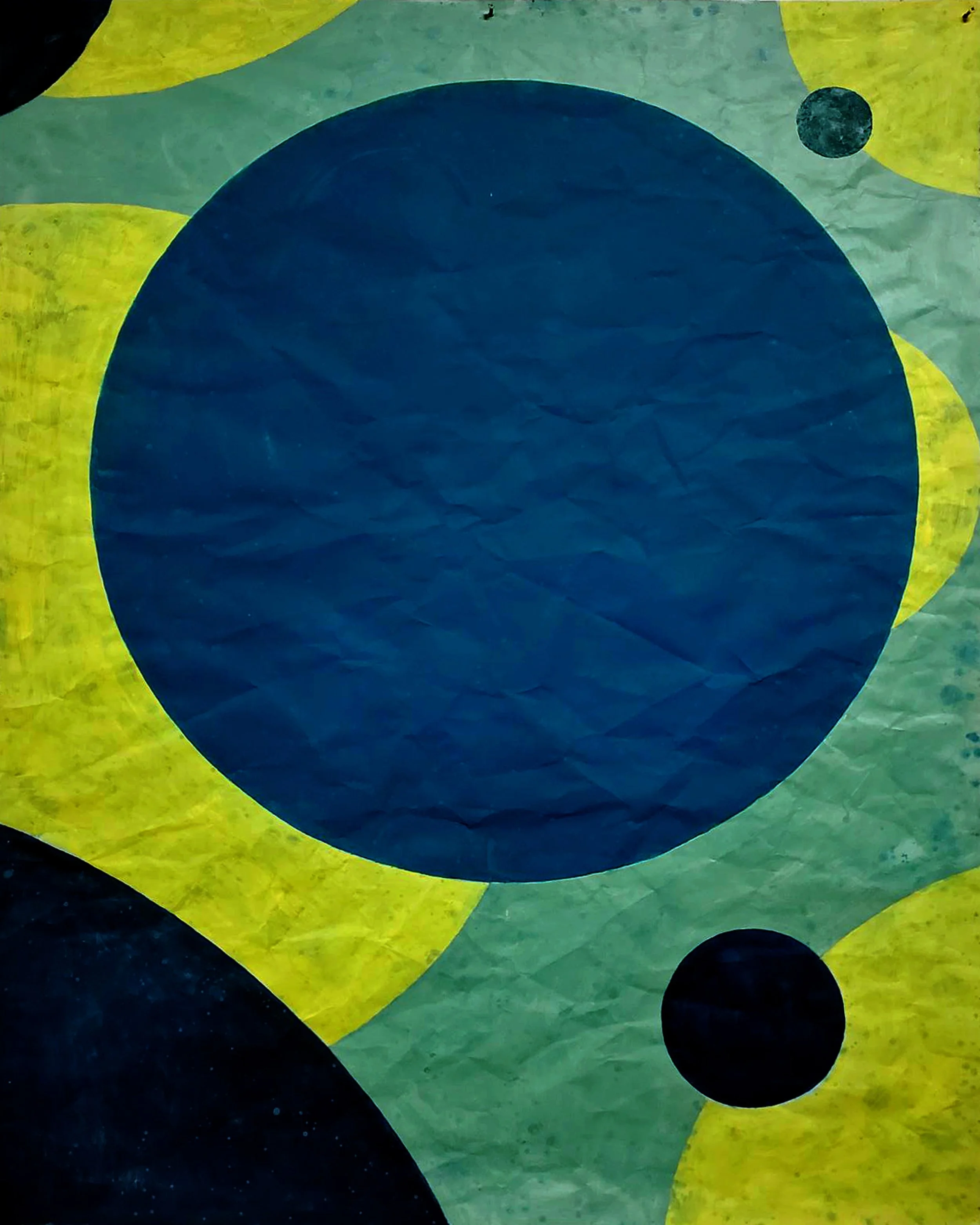
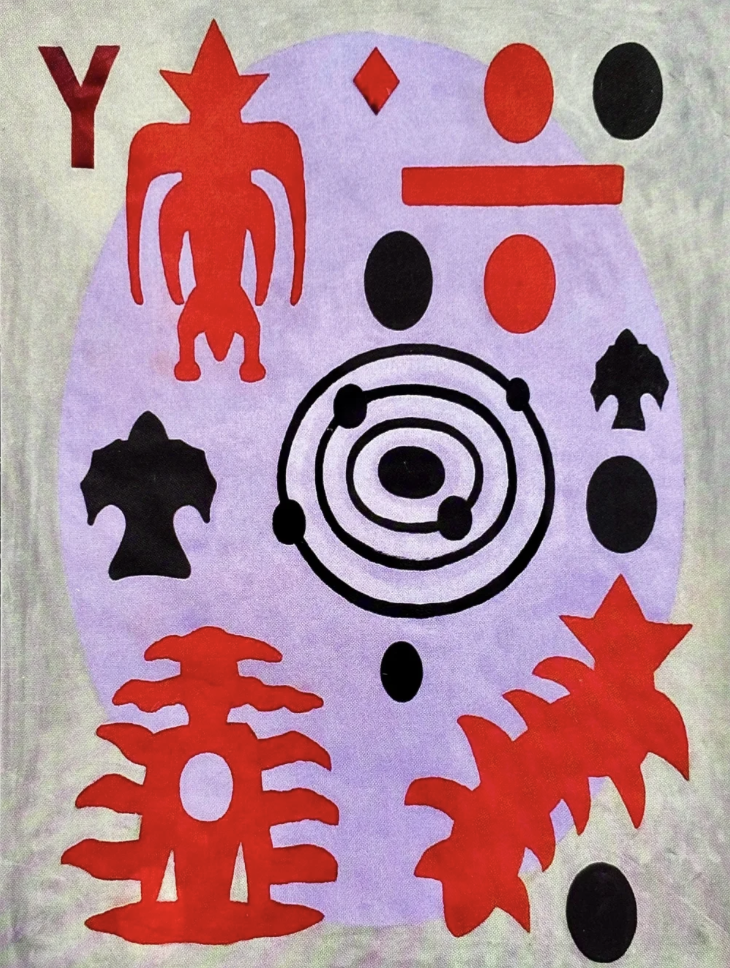
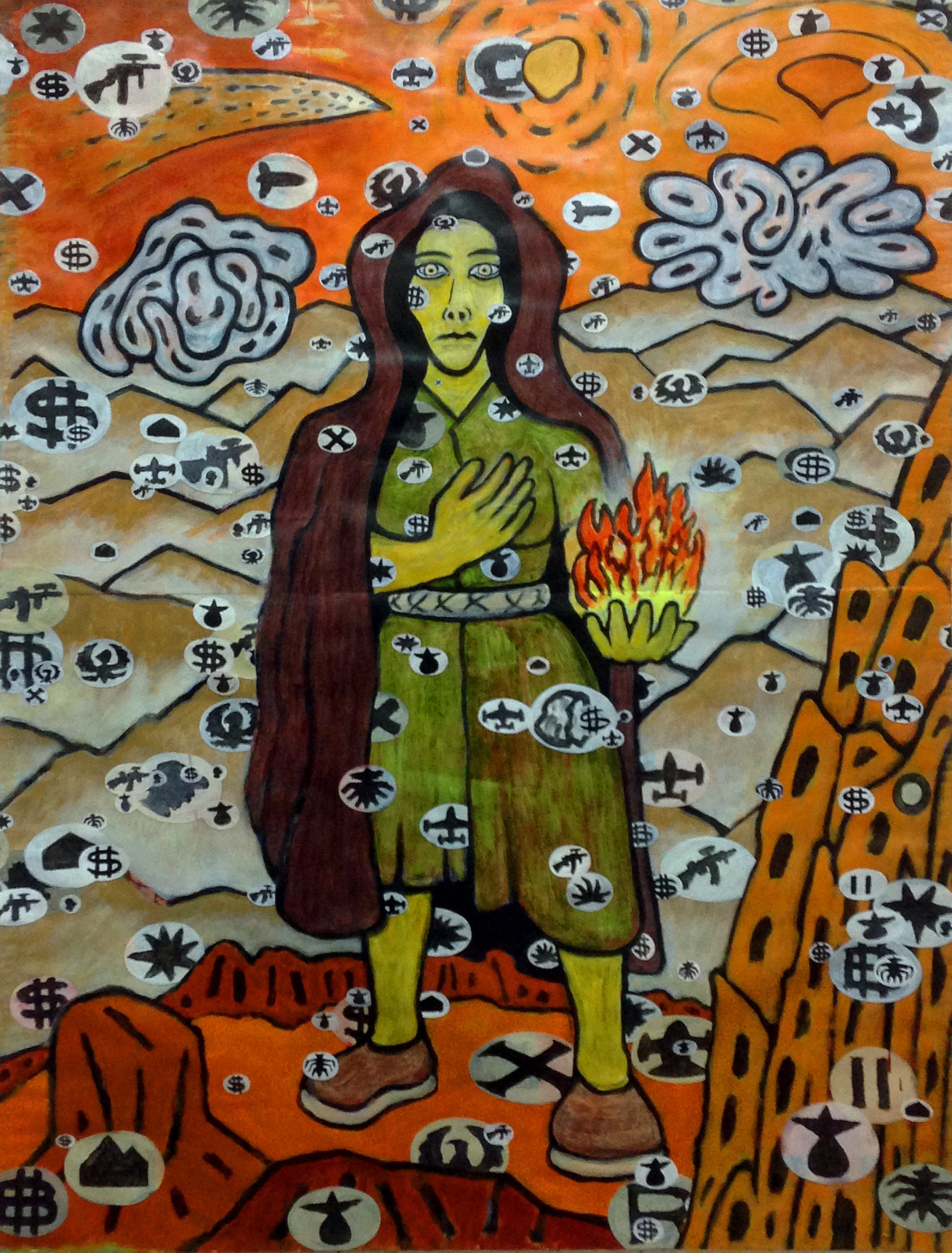
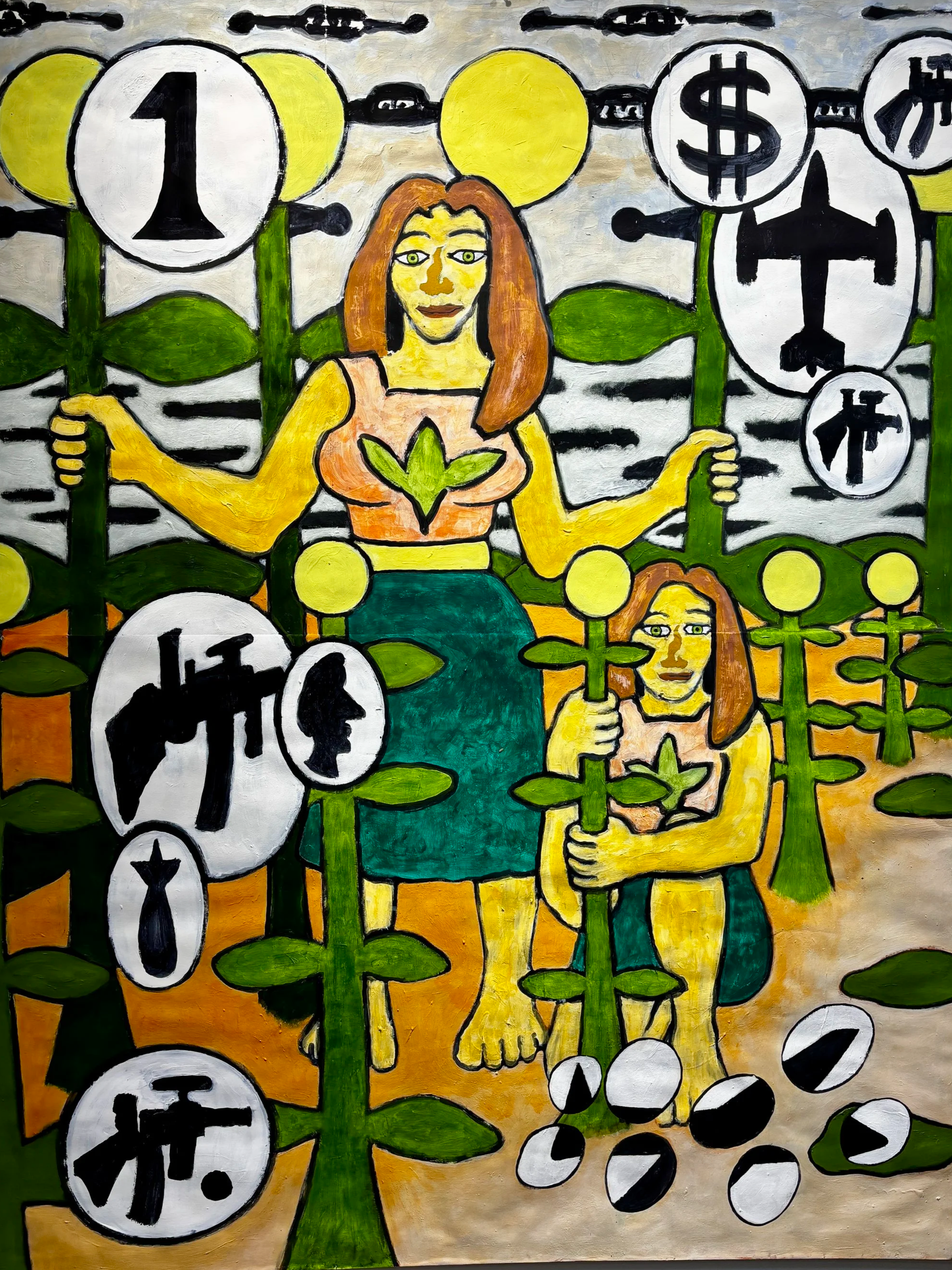
Killick’s works on paper are a deep dive into the unknown via technology and media. They present as vignettes of worldly disarray punctuated by hope and an often lyrical beauty.
At the artist’s request, Cartographies of the Absolute is aligned in comic format and hung 10cm apart, the effect of which is like walking into and through an illustrated guide to worlds familiar and strange.
“The constant touchstones of Killick’s practice,” writes Louise Martin-Chew, “remain vested in the elements that shape our world, climate and environmental change, and the apocalypse of many and constant international wars. In these artworks are sightlines of Killick’s experience and ideas; nature and culture, war and respite, humans at odds with each other, in harmony with nature, dressed for battle, and the spectre (with us already) of AI.”
Killick is not one to attribute a definitive meaning to his work. Instead, he invites us to consider context, which in its most generous form takes account of past, present and future circumstances, known and imagined.
In the artist’s words, this exhibition catalogues history, oscillating and repeating, anticipating the need for change. Some works, painted years ago, are like data nodes, selected to be reviewed as maps or mirrors - the destination or meaning is a reading of universal now.
Stephen Killick artworks in Cartographies of the Absolute are available to purchase as originals ($5000) and as A2-size framed prints ($400). His work is held in collections at the Australian National Gallery, the Art Gallery of NSW, Queensland Art Gallery, National Gallery of Victoria, Art Gallery of South Australia, and Parliament House Collection, Canberra.